Building Sustainable Health Habits That Actually Stick
After years of studying public health data, I've learned that the most successful health transformations aren't about willpower—they're about systems.
Why Most Health Goals Fail
Research shows that 80% of New Year's resolutions fail by February. The problem? We focus on outcomes rather than systems.
The Science of Habit Formation
1. Start Ridiculously Small
James Clear's "2-minute rule" works. Want to exercise daily? Start with putting on workout clothes. The barrier to entry should be laughably easy.
2. Stack Your Habits
Attach new habits to existing ones. After I [current habit], I will [new habit].
Examples:
3. Design Your Environment
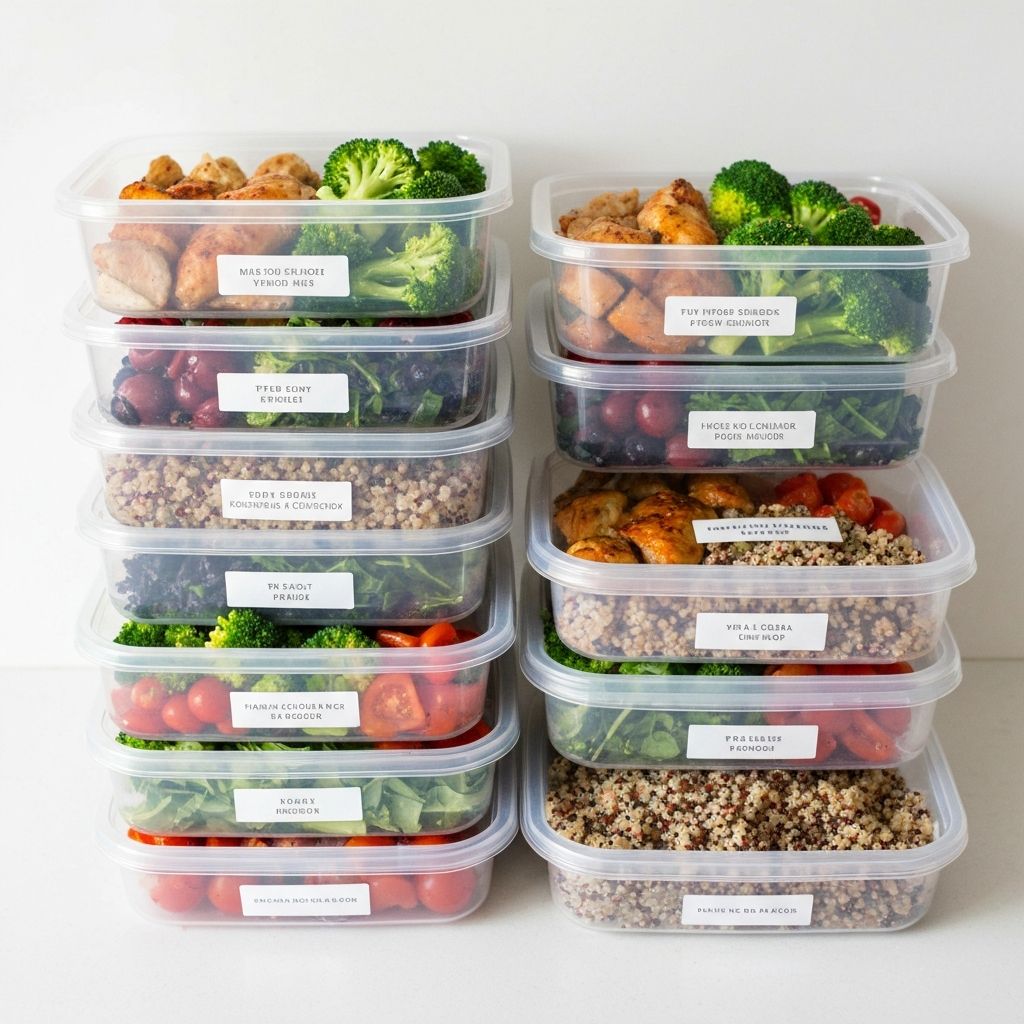
Make good choices easy and bad choices hard:
The Data on Habit Formation
Research from University College London shows it takes an average of 66 days to form a new habit. Some take 18 days, others 254 days. The key is consistency, not perfection.
My Framework: The Health Habit Hierarchy
Tier 1: Foundation Habits (Non-negotiable)
Tier 2: Enhancement Habits
Tier 3: Optimization Habits
Start with Tier 1. Only move to the next tier once the previous habits are automatic.
Tracking Without Obsessing
I recommend simple tracking:
Avoid over-tracking, which can lead to burnout.
When You Slip Up
Miss a day? That's data, not failure. Ask:
The Compound Effect
Small habits compound over time. A 1% improvement each day leads to being 37 times better after a year. Focus on consistency, not perfection.
Making It Personal
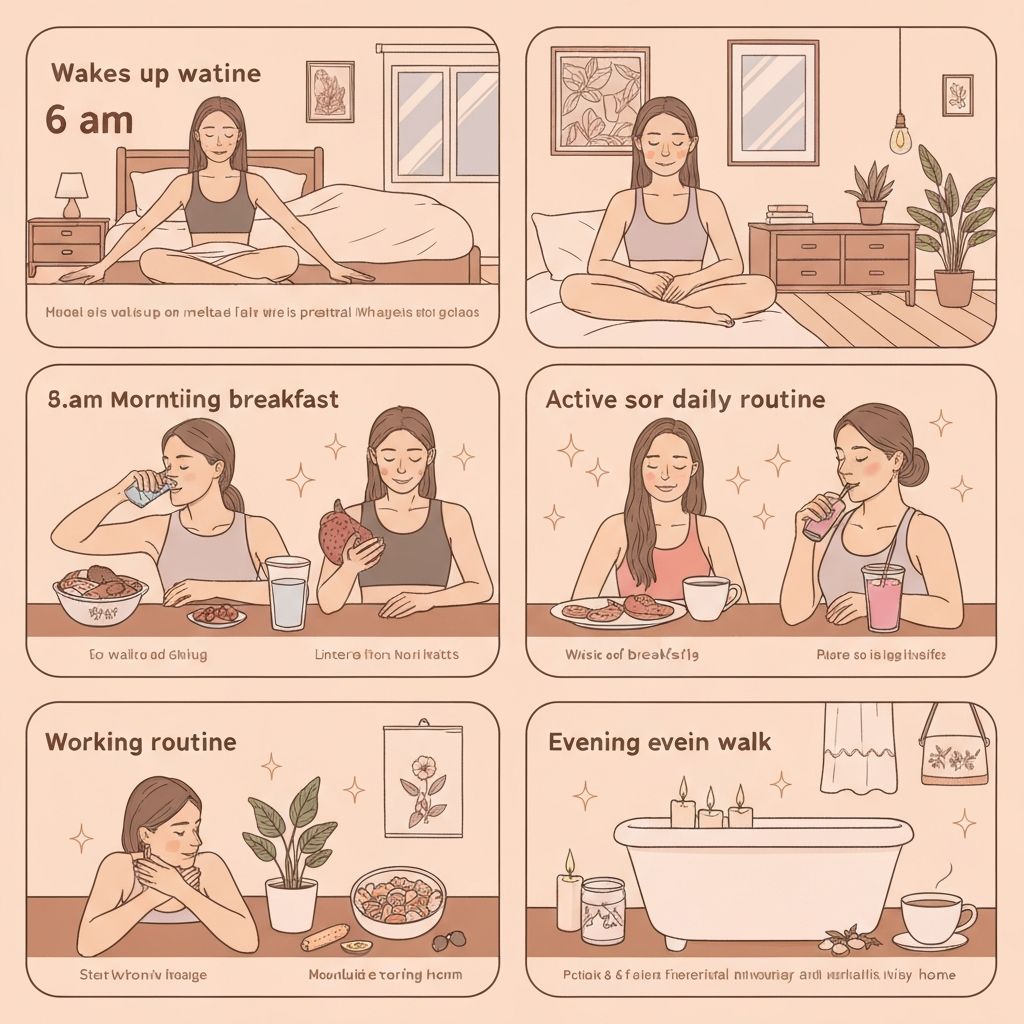
The best health habits are the ones you'll actually do. Don't follow someone else's perfect morning routine if you're not a morning person.
Your Action Plan
1. Choose ONE habit to start
2. Make it so easy you can't say no
3. Do it for 30 days
4. Track your progress
5. Adjust and add another
Remember: sustainable change happens slowly. Trust the process.